How to Choose an Amethyst Necklace (Color, Clarity, and Cut)

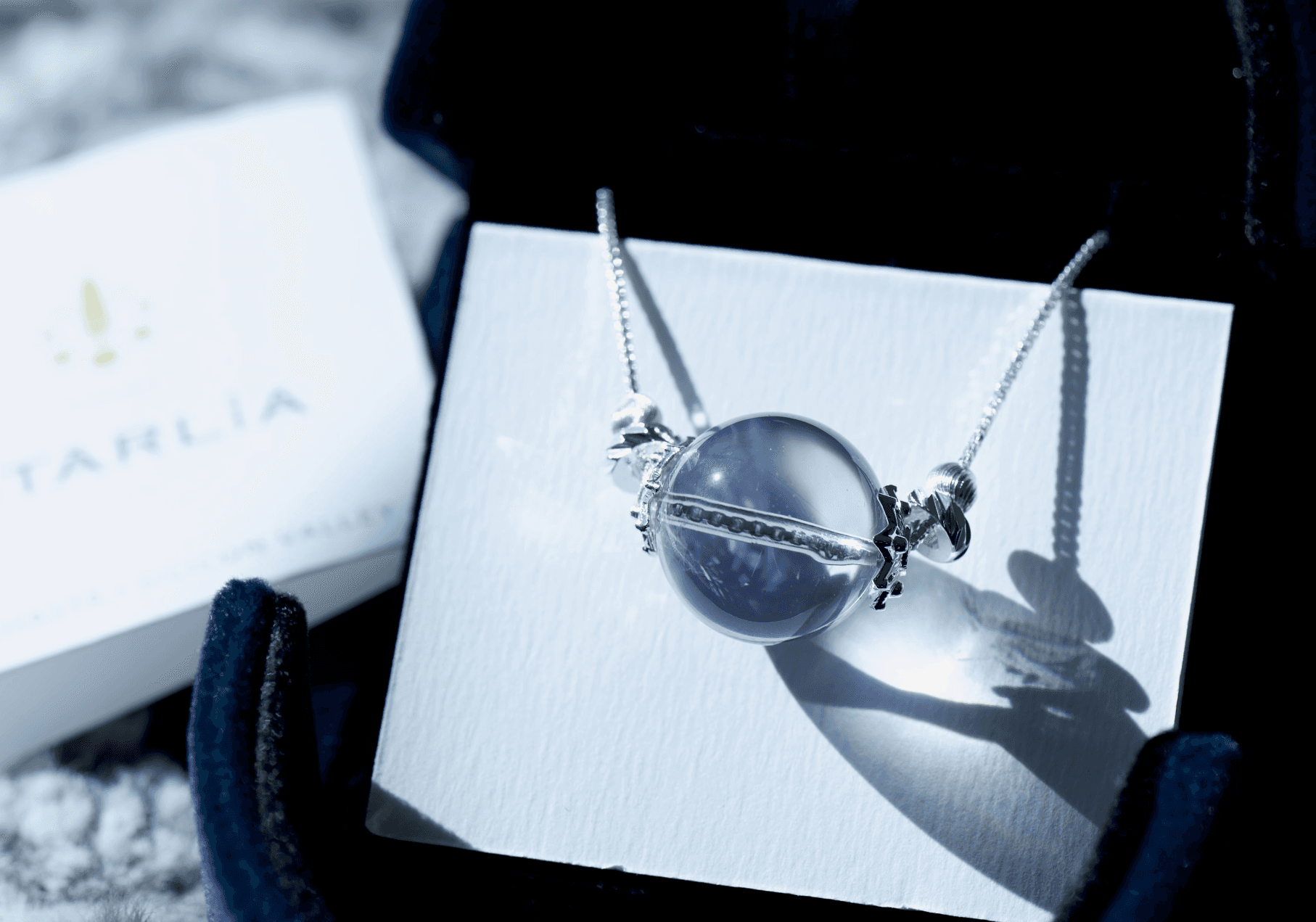
How to Choose an Amethyst Necklace (Color, Clarity, and Cut)
Once the meaning and use of amethyst are clear, the next step is choosing a form that supports consistent use.
Not all amethyst necklaces are the same. Differences in color, clarity, cut, and craftsmanship affect both how the piece looks and how reliably it can be worn over time.
This guide outlines what to look for, what to ignore, and how to evaluate a piece based on factors that actually matter.
What Matters Most: Color and Clarity
The most important factors in amethyst are color and clarity.
High-quality amethyst is defined by:
Color consistency — an even purple tone without dull or gray patches
Clarity — enough light transmission to show depth
Saturation — rich color that does not look flat or overly dark
Stability — material that holds its appearance over time
Darker amethyst is not always better. A stone can be too dark if it loses light and depth. The strongest pieces usually balance saturation with visible clarity.
Material quality is the foundation. Everything else is secondary.
Cut and Shape
Amethyst can be faceted, polished, carved, or shaped into beads.
For daily wear, a single, well-defined focal piece is usually more effective than multiple small fragments. A centralized structure:
Maintains visual clarity
Keeps the design balanced
Creates a consistent physical reference point
Makes the necklace easier to wear regularly
Precise cutting or shaping also improves how the stone interacts with light, which affects the overall appearance of the piece.
Surface Finish and Craftsmanship
The finish of the stone and surrounding elements affects both durability and refinement.
Look for:
Smooth, even surfaces without scratches or dull patches
Clean transitions between the stone and metal components
Balanced proportions between the crystal and chain
Secure construction that keeps the stone stable during movement
Additional elements should support the stone rather than distract from it.
Well-executed craftsmanship is usually subtle. It becomes more noticeable over time through consistency, comfort, and durability.
Chain Quality and Wearability
A necklace is worn regularly, so the chain matters as much as the stone.
Key factors include:
Durability — resistance to tarnishing or structural weakness
Comfort — appropriate weight and length for daily use
Adjustability — flexibility across different outfits and situations
A poorly made chain reduces how often the necklace is worn, which limits its practical value.
Real vs. Low-Quality Amethyst
Not all amethyst on the market meets the same standard.
Common issues include:
Dyed or artificially enhanced material
Uneven or dull color
Cloudy stones with limited clarity
Overly dark stones with little light transmission
Low-grade quartz sold with vague descriptions
While these may look similar at a glance, they do not maintain the same level of consistency or visual refinement.
Verification usually comes down to sourcing and transparency rather than dramatic product claims.
What Does Not Matter as Much
Some factors are often overemphasized but have limited practical impact.
These include:
Overly complex symbolic design
Excessive decorative elements
Claims of immediate or dramatic effects
Unnecessary embellishments that distract from the stone
These do not improve how the piece functions in daily use.
A simpler, well-executed necklace tends to perform more consistently over time.
Choosing Based on Use, Not Just Appearance
The purpose of an amethyst necklace is not only aesthetic.
For most people, its value comes from consistent exposure. This means the best choice is the one that can be worn regularly without friction.
A piece that looks refined but is uncomfortable, fragile, or difficult to integrate into daily life will not be used enough to matter.
Practical consistency is the deciding factor.
Amethyst Necklace Meaning
An amethyst necklace turns the meaning of amethyst into a daily object.
Worn close to the body, it becomes a steady reminder of calm, clarity, and emotional steadiness. This makes the necklace more than a decorative item. It becomes a practical way to keep the meaning of the stone present throughout the day.
A Refined, Consistent Option
The Amethyst Necklace is built around these principles.
Each piece uses material selected for color consistency, clarity, and daily wearability. The stone is shaped to maintain clean visual structure, and the surrounding elements are kept balanced so the amethyst remains the focus.
This allows the necklace to function as a reliable, continuous reference point rather than a decorative object that is worn occasionally.
Further Reading
For a deeper understanding, see:
Amethyst Meaning: Calm, Clarity, and Emotional Stability
For practical application, see:
How to Use Amethyst for Calm, Clarity, and Daily Stability
Written by Li Qian, who studies crystal structure, material quality, and their practical use in daily life.